
When you share your home with a young cat, you quickly learn every tiny detail about them, from the sound of their paws racing across the floor to the way their eyes light up during play. So when you notice kitten eye discharge, it stands out right away. Kitten eye discharge refers to any unusual fluid, mucus, or crust forming in or around a kitten’s eyes, and it can range from mild tearing to thick, colored discharge. While some eye discharge in kittens may be temporary or related to minor irritation, it can also signal infection, inflammation, or other health concerns that deserve prompt veterinary attention. This blog walks you through the causes, signs, and next steps so you know when to involve your veterinarian.
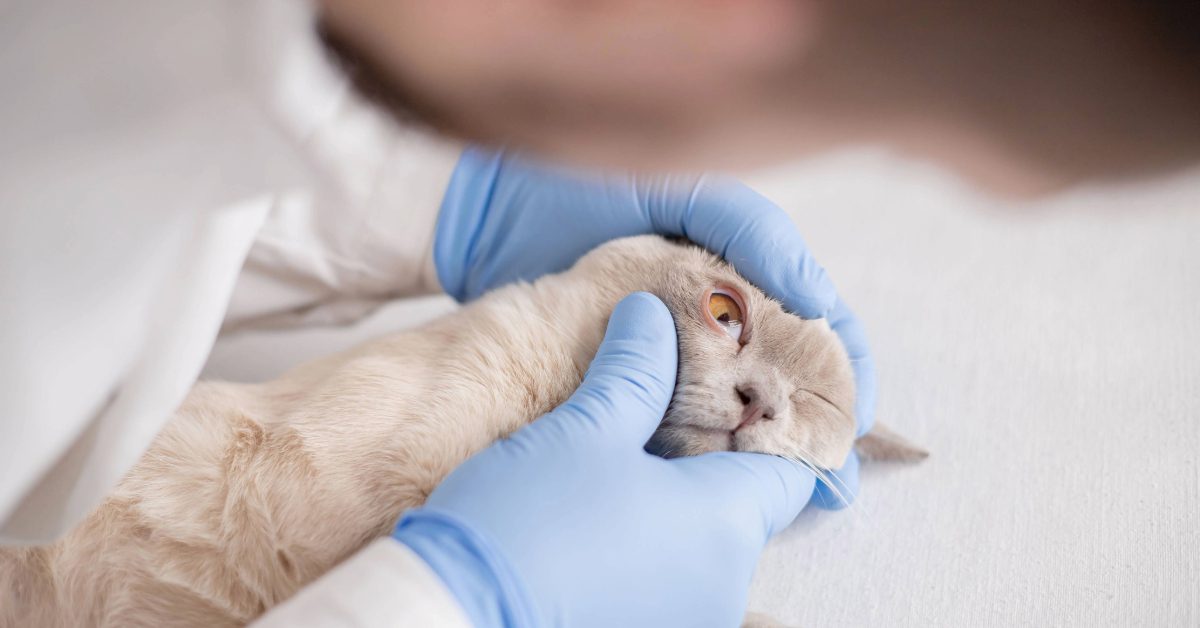
What Does Kitten Eye Discharge Look Like?
Kitten eye discharge does not always look the same, and the appearance often gives important clues about what may be going on. Some kittens develop clear, watery tearing that leaves the fur under the eyes damp, while others have thicker mucus that dries into crust along the eyelids. You may notice discharge that looks white, yellow, or green, which can suggest inflammation or infection inside the eye or surrounding tissues.
In many cases, discharge collects in the corners of the eyes and causes the eyelids to stick slightly, especially after sleeping. The fur around the eyes may look stained or matted, which can make kittens uncomfortable and more prone to rubbing their faces. Changes in eye appearance, especially when paired with discharge, should never be ignored.
Clear or Watery Discharge
Clear tearing often appears when a kitten’s eyes react to irritation, dust, or environmental changes. Young kittens have sensitive eyes, and even mild triggers can lead to extra tear production. You might see a glistening film or damp fur beneath the eyes rather than thick material. Although clear discharge may seem minor, persistent tearing still deserves evaluation because it can relate to blocked tear ducts, early infection, or structural eye issues. Ongoing moisture also increases the risk of skin irritation around the eyes.
Thick, Yellow, or Green Discharge
Colored, sticky discharge commonly points to infection or more significant inflammation. This type of eye discharge often builds up quickly and may cause the eyelids to stick shut. Kittens with this discharge may squint, blink more than usual, or keep one eye partially closed. You may also see redness in the white of the eye or swelling around the eyelids. These signs often require prompt veterinary care to identify the underlying cause and protect vision.
Common Causes of Kitten Eye Discharge
Several medical conditions can lead to eye discharge, and young cats are especially vulnerable because their immune systems are still developing. Eye discharge often appears as part of a larger issue rather than an isolated problem. Viral infections, bacterial infections, structural differences in the eye, and environmental irritants all play a role. Because symptoms overlap, your veterinarian needs to evaluate the kitten in person to determine the exact cause. Early diagnosis supports faster recovery and reduces the risk of complications.
Upper Respiratory Infections
Upper respiratory infections frequently affect kittens, especially those from shelters, rescues, or multi-cat environments. These infections often involve viruses that target the eyes and nose at the same time. In addition to eye discharge, you may notice sneezing, nasal discharge, lethargy, or reduced appetite. The eyes may appear red and watery at first, then develop thicker discharge as inflammation increases. Prompt veterinary evaluation helps manage symptoms and prevent the infection from worsening.
Conjunctivitis
Conjunctivitis refers to inflammation of the tissue lining the eyelids and covering the white part of the eye. This condition commonly causes redness, swelling, and visible discharge. A kitten with conjunctivitis may paw at their eyes or seem sensitive to light. The discharge can be clear or colored, depending on the cause. Conjunctivitis often occurs alongside infections, allergies, or irritants and requires veterinary assessment to determine appropriate care.
Blocked Tear Ducts
Tear ducts help drain fluid from the eyes into the nasal passages. When these ducts do not function properly, tears overflow onto the face and create chronic dampness and discharge. This issue can affect one or both eyes and often appears as constant staining below the inner corners. While some kittens outgrow mild tear duct issues, others need veterinary evaluation to rule out infection or structural concerns. Ongoing tearing should always be discussed with your veterinarian.
Signs That Kitten Eye Discharge Needs Immediate Attention
While any eye change deserves attention, some symptoms indicate a more urgent situation. Rapid swelling around the eye, sudden squinting, or a kitten that keeps an eye closed may point to pain or injury. Thick discharge that returns quickly after being gently wiped away can signal active infection. Cloudiness on the surface of the eye, visible scratches, or a change in eye color are also serious signs. Kittens that seem lethargic, stop eating, or develop nasal discharge along with eye problems need prompt veterinary care. Eye conditions can progress quickly, so early evaluation protects comfort and vision.
How Is Eye Discharge Evaluated?
When you bring your kitten to Gulf Winds Animal Hospital in Panama City Beach, our veterinary team begins with a detailed physical examination. We look closely at both eyes, even if discharge appears in only one, to compare symmetry and overall health. We may use specialized lights or stains to examine the surface of the eye and check for scratches or ulcers. We also assess the eyelids, tear production, and surrounding tissues. If respiratory signs are present, we evaluate the nose and throat as well. This thorough approach helps identify the root cause of kitten eye discharge and guides next steps.
Why Early Care Matters for Eye Health
A kitten’s eyes are delicate, and untreated problems can escalate faster than many pet owners expect. Infections may spread, inflammation can increase, and structural damage may occur if issues go unaddressed. Vision development also takes place during early life, so protecting eye health during kittenhood supports long-term sight. Even mild-looking kitten eye discharge can be the first sign of a larger condition. Early veterinary care helps manage discomfort, supports healing, and reduces the risk of lasting damage. Quick action often leads to smoother recovery.
When to Contact Your Veterinarian
You should reach out to your veterinarian if you notice persistent kitten eye discharge, changes in eye color, redness, or squinting. Discharge that thickens, turns yellow or green, or causes the eyelids to stick together also requires attention. If your kitten seems less active, eats less, or develops sneezing and nasal discharge alongside eye symptoms, schedule a visit right away. Eye issues rarely resolve on their own, and delaying care may allow the problem to worsen. A professional evaluation provides clarity and supports your kitten’s comfort and health.
Support for Your Kitten’s Eye Health in Panama City Beach
Young cats depend on attentive care to stay healthy as they grow. If you notice kitten eye discharge or any other eye changes, the team at Gulf Winds Animal Hospital is ready to help. Prompt evaluation allows veterinarians to identify the cause and recommend the most appropriate care. Eye concerns deserve timely attention, especially in growing kittens. Call (850) 233-8383 or book an appointment to have your kitten’s eyes examined by a veterinary professional. Early action supports comfort, vision, and overall well-being.
Recent Posts
About Us
Dedicated to pet health and wellness, Gulf Winds Animal Hospital provides services such as routine check-ups, diagnostics, surgery, and end-of-life care. Our compassionate staff prioritizes personalized care to support the well-being of every pet we treat.